
UG Faculty and Partners Shape Vision for World-Class PhD in Sustainable Food Systems
What should a doctoral student be able to do by the time they graduate?
For faculty and partners designing the University of Ghana’s new PhD in Sustainable Food Systems, the answer goes beyond completing a thesis. The programme is being built around an ambition to prepare researchers who can understand complex food-system challenges and turn research into solutions that address the challenges in Ghana and beyond.
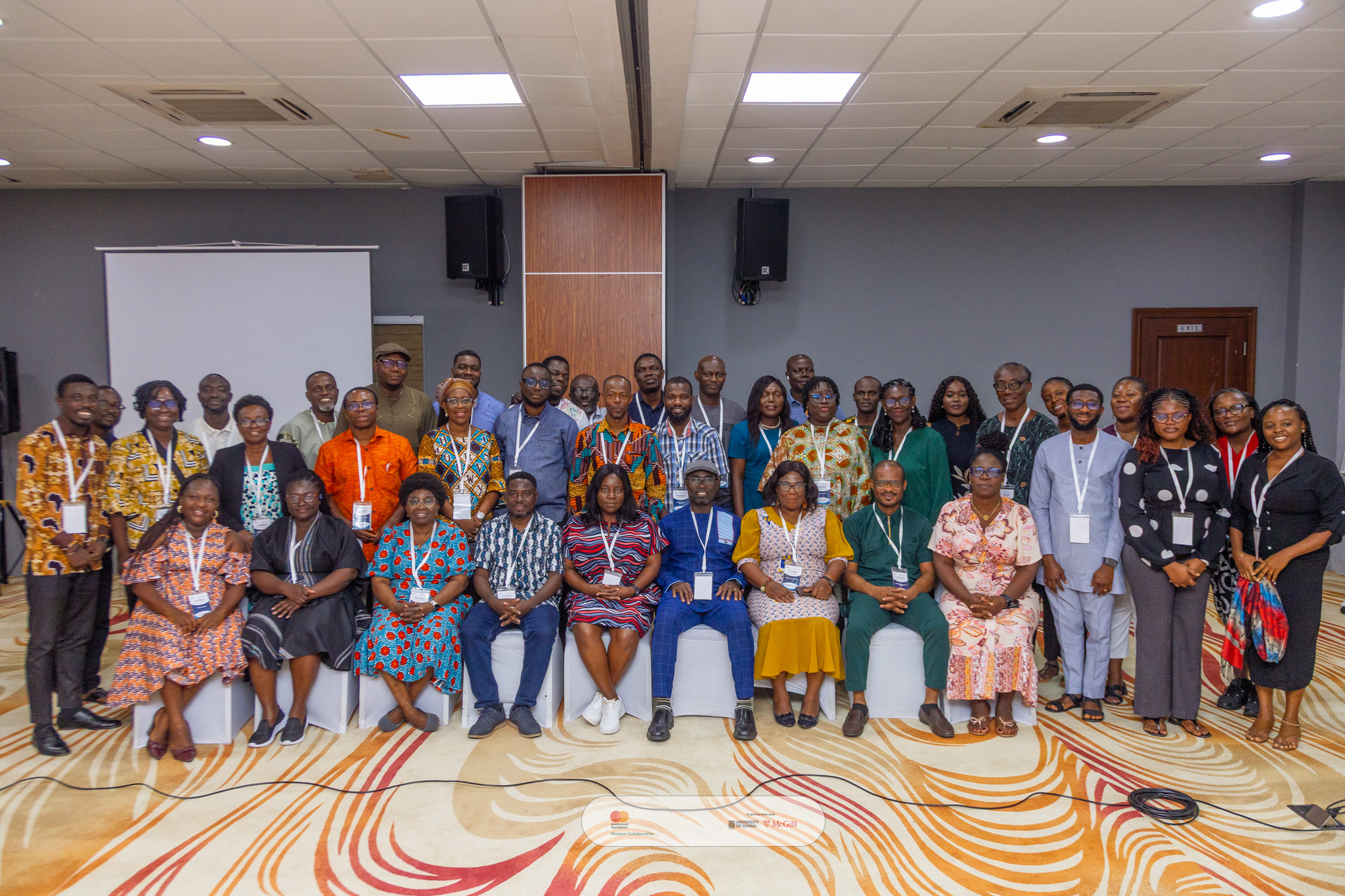
That ambition was at the centre of a five-day Training of Trainers workshop held at the Volta Serene Hotel in Ho. The workshop brought together faculty from the School of Agriculture, Department of Nutrition and Food Science and School of Public Health, alongside partners from the University of Health and Allied Health Sciences, Koforidua Technical University and Ashesi University.
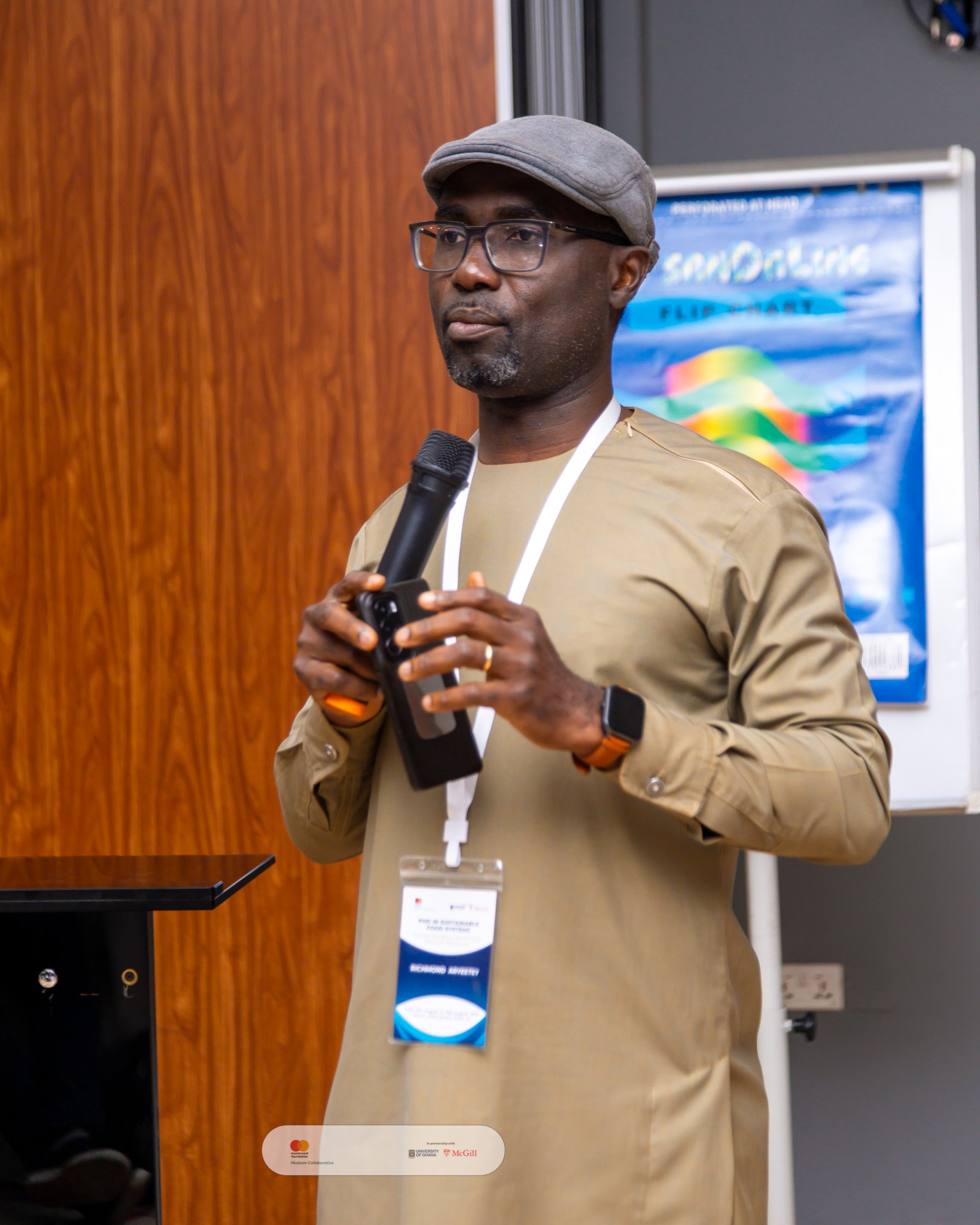
Opening the workshop, Collaborative Lead at the Nkabom Collaborative at UG, Prof. Richmond Nii Okai Aryeetey called for a shared commitment to a doctoral experience that puts students at the centre of learning and research. He highlighted critical thinking, interdisciplinary collaboration, innovation and practical problem-solving as essential to preparing graduates to contribute meaningfully to Ghana’s agri-food systems and beyond.
“We are not simply preparing students to complete a PhD. We are preparing them to contribute meaningfully to Ghana’s agri-food systems and beyond.”
The workshop asked participants to imagine what success would look like at graduation. Their vision was of graduates who have worked on real-world food-system problems, developed research with practical relevance and produced outputs such as peer-reviewed publications, policy briefs, prototypes and conference presentations. The programme would also create opportunities for students to engage with industry and other sectors beyond academia.
That thinking shaped discussions about the student experience from admission through graduation and beyond. Participants explored how orientation, coursework, research, supervision and alumni engagement could be designed as connected parts of one doctoral journey rather than separate stages.
A central idea that emerged from discussions is that major learning activities should contribute directly to students’ research and professional development. For example, coursework could use real-world problems and experiential learning to help students develop their research ideas, while conferences, policy briefs and grant proposals could become part of the learning experience. Participants also proposed stronger structures for supervision, including regular meetings, clearer expectations around feedback and mechanisms to identify and address challenges early.
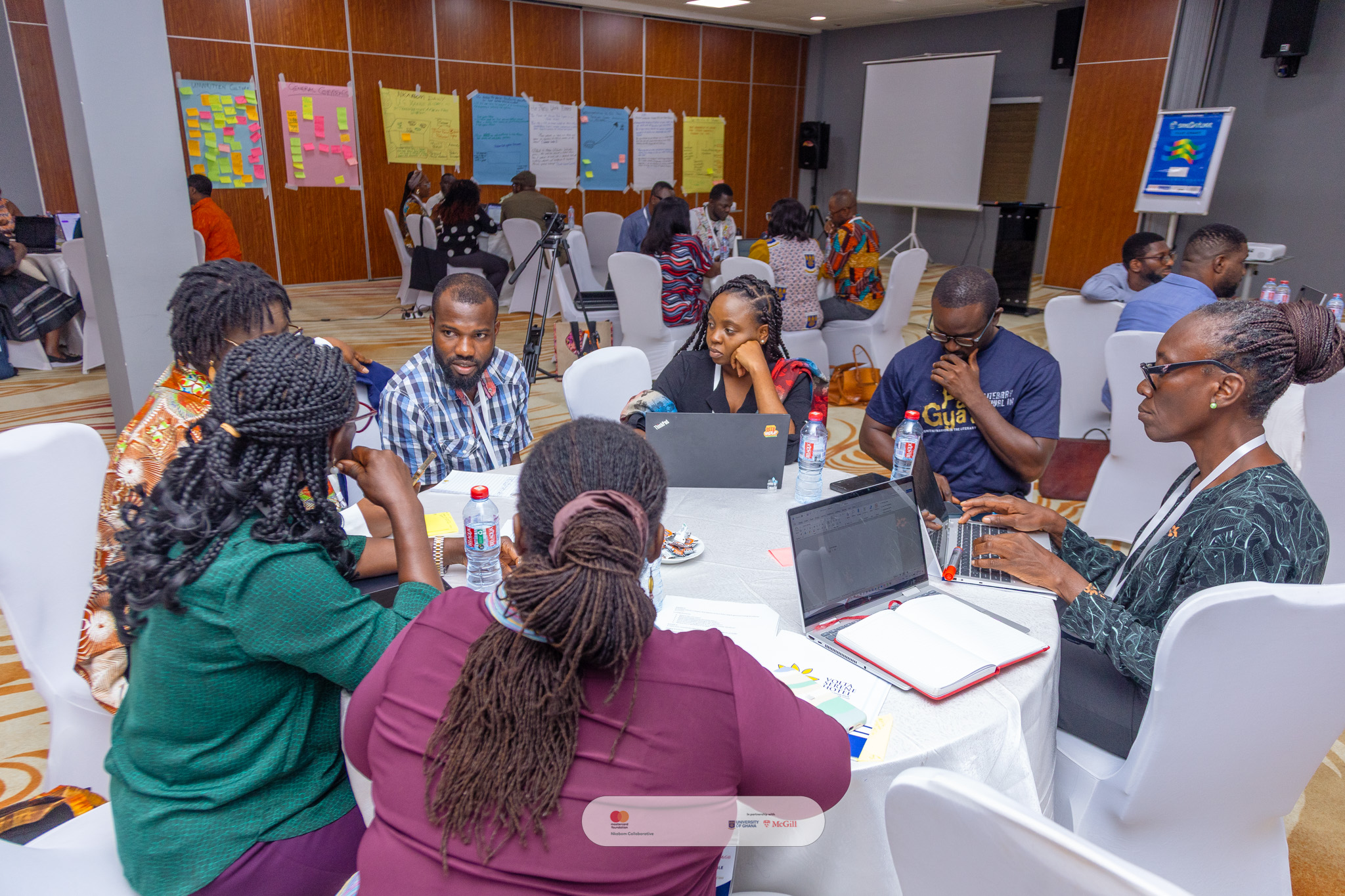
The design also extends beyond academic rigour. Discussions addressed responsible use of artificial intelligence, research integrity, student wellbeing and disability inclusion, alongside the use of digital platforms such as the University's Learning Management System to make learning more accessible and interactive.
The workshop concluded with a shared commitment among faculty and programme stakeholders to translate the discussions into practical policies, guidelines and teaching resources. Key recommendations included integrating inclusion and gender across the programme, strengthening activity-based teaching, incorporating recently completed students' experiences into programme development, integrating ethical clearance into research methods training, and ensuring that courses build students' understanding of food systems from global to local contexts.
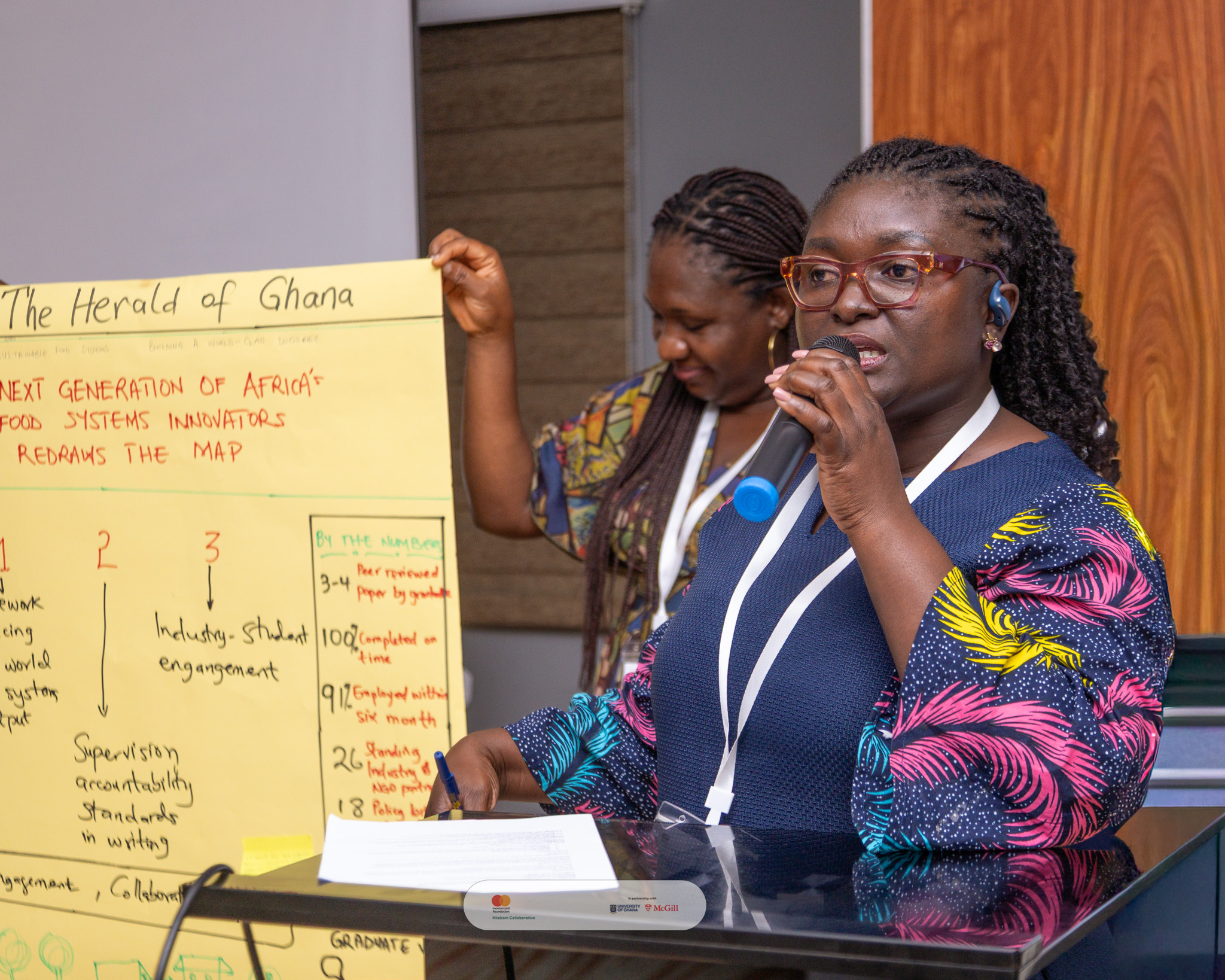
The next phase will focus on developing detailed teaching plans and facilitator templates as the University of Ghana prepares to welcome the first cohort of students in the 2026/2027 academic year.