
Our reflections from the maiden Nkabom Collaborative SME Investment Forum
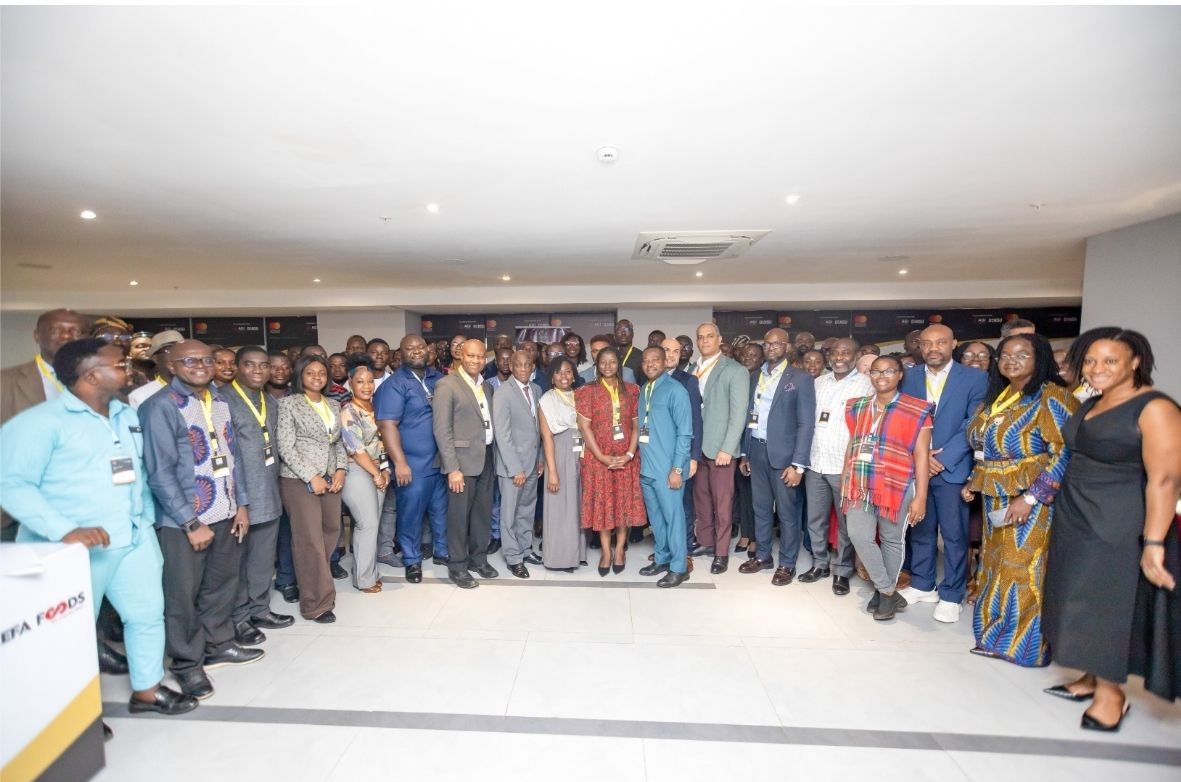
Recently, we sat in a room with investors, researchers, entrepreneurs, and policymakers, all of them, in one way or another, trying to answer the same question: what will it actually take to make Ghana's agrifood sector work for young entrepreneurs?
That was the spirit behind the maiden Nkabom Collaborative SME Investment Forum. And for a few hours, it felt like the right people were finally in the same place.
Events like this are a core part of how we work at Nkabom Collaborative at University of Ghana (UG). They create space to build partnerships, share what we're learning, and have honest conversations about what's holding the sector back.
Amid the speeches, interactions, and pitches, what we heard again and again left us both troubled and encouraged.
Troubled by the data. The agrifood sector supports over 20% of Ghana's GDP, yet access to finance remains a persistent barrier for the SMEs. According to the Ghana Statistics Service, 12.5 million Ghanaians are at risk of food insecurity. Youth unemployment among people aged 15 to 24 stands at 13%. And there is a $5 billion annual financing deficit for SMEs across the country.
Despite the challenges, we are encouraged by the momentum and commitment of ecosystem partners to turn these challenges in the agrifood sector into opportunities for young people.
Here are some of our reflections:
Partners must work together to transform the agrifood sector.
There's a saying: "If you want to go fast, go alone. If you want to go far, go together." That idea ran through almost every conversation at the forum.
No single institution can transform Ghana's agrifood sector. Investors, academia, government, development partners, and entrepreneurs each hold a different piece, and the sector moves when those pieces connect.
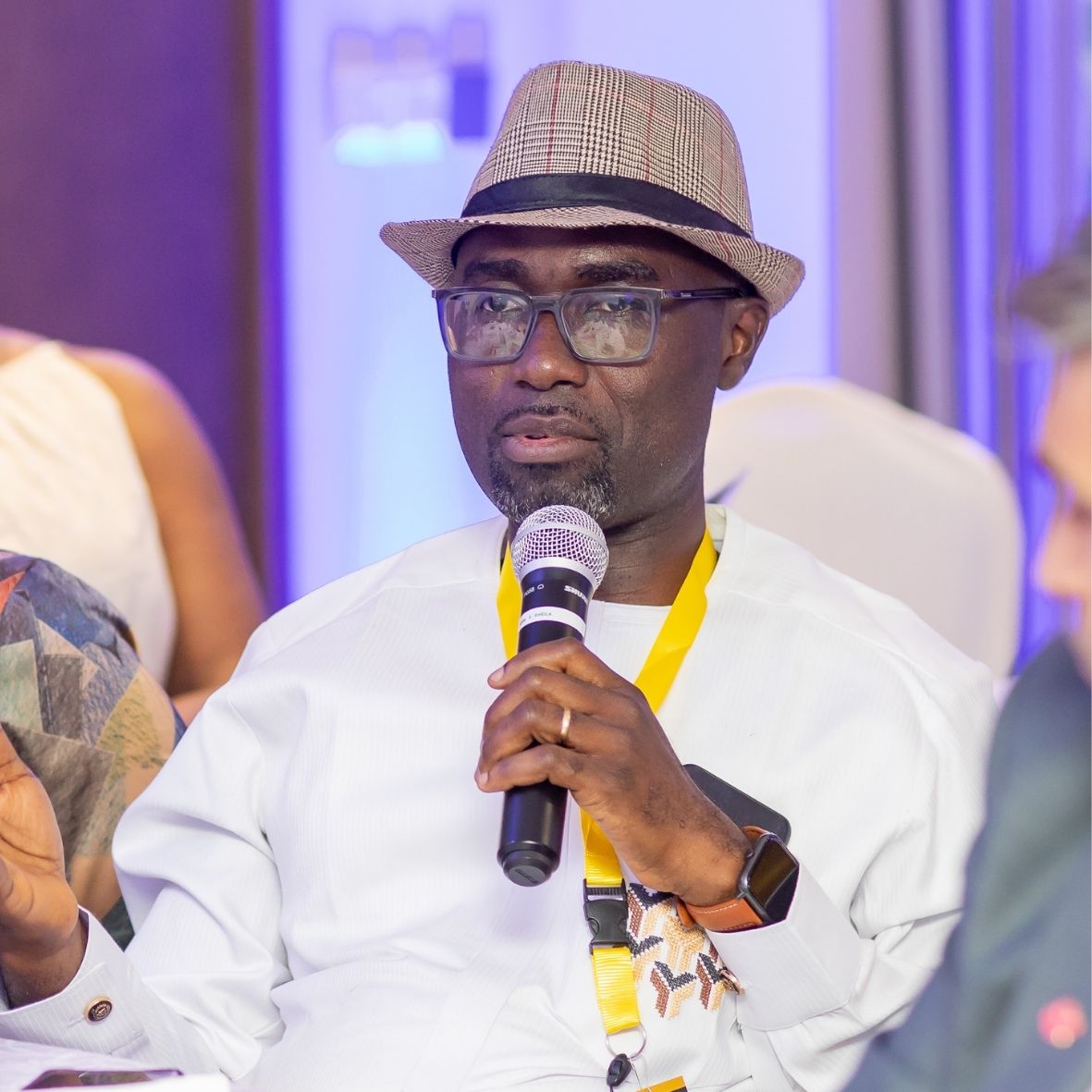
As Dan Pierre, Director of the Nkabom Collaborative Secretariat noted, "When we make it easier for SMEs to connect with investors and academia, they can understand market realities and identify how to support them."
That's not an abstract principle for us. At Nkabom Collaborative at UG, we work with UN agencies, the Nkabom Collaborative Secretariat, civil society, inclusion specialists, government agencies, the Association of Ghana Industries, and private-sector actors to strengthen systems and remove barriers so that young people can access opportunities and thrive in the agrifood sector.
We also support PhD scholars and postdoctoral researchers to conduct applied research across the agrifood sector and share findings that can inform both policy and practice.
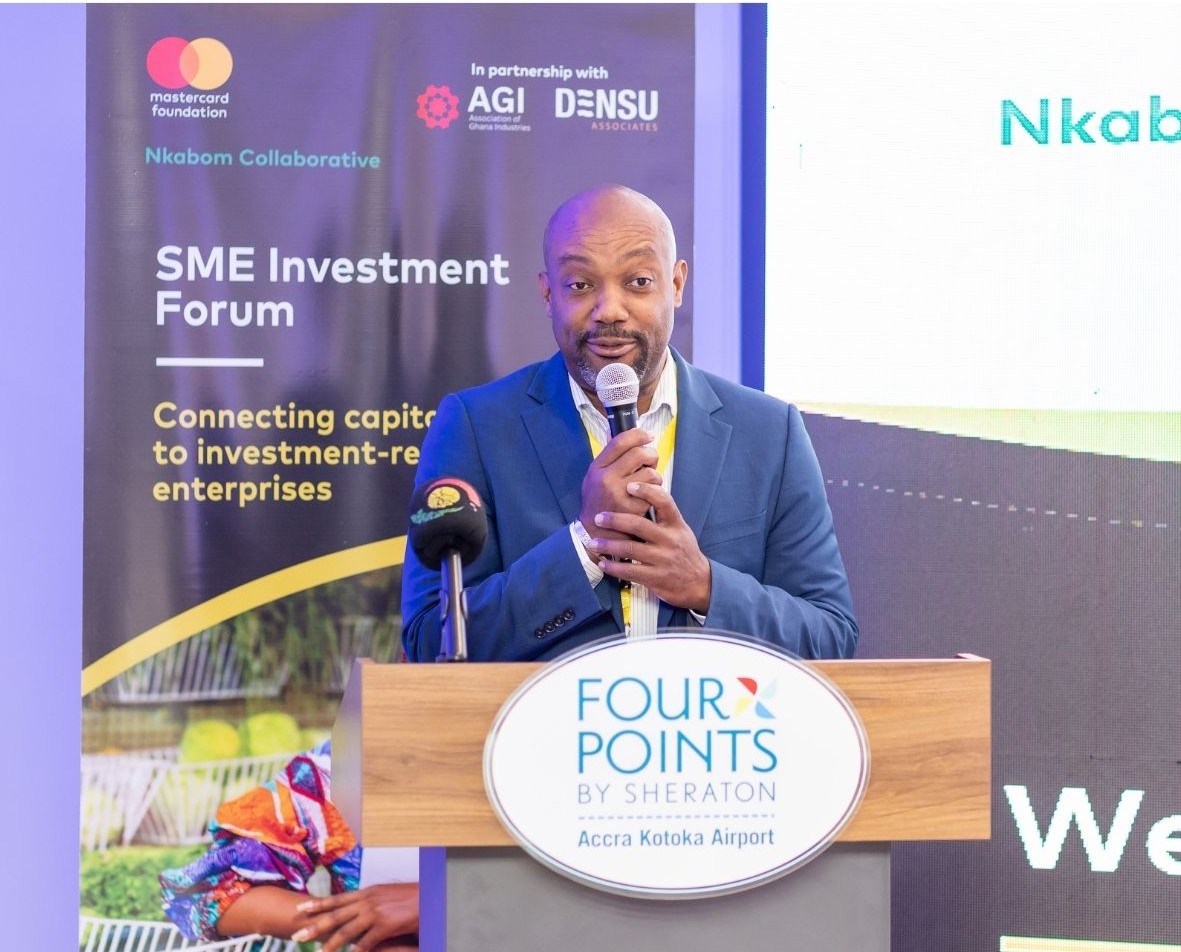
The agrifood sector sits at the intersection of unemployment, climate resilience and food security.
The agrifood sector has the potential to create 2.5 million additional jobs and unlock $3 billion significant export value.
“The agrifood sector sits at the intersection of unemployment, climate resilience, and inclusive growth,” said Emily Ayipro Asamoah, Head of Workforce Development at the Mastercard Foundation.
But structural barriers, including climate vulnerability, gender inequities, inadequate storage infrastructure, and limited access to finance and markets, continue to hold that potential back. The consequences affect livelihoods, food security, and the economic stability of communities across the country.
That reality underscores the need for investments not only in SMEs but also in strengthening the foundation of the systems that enable young entrepreneurs to thrive.
At Nkabom Collaborative at UG, this shapes how we work. We equip young people, including women, persons with disability, and internally displaced persons with practical skills within the agrifood sector. We support them to identify solutions across the agrifood value chain, and back those ideas with mentorship, market access, and financing. This often leads to the creation of agribusinesses and jobs.
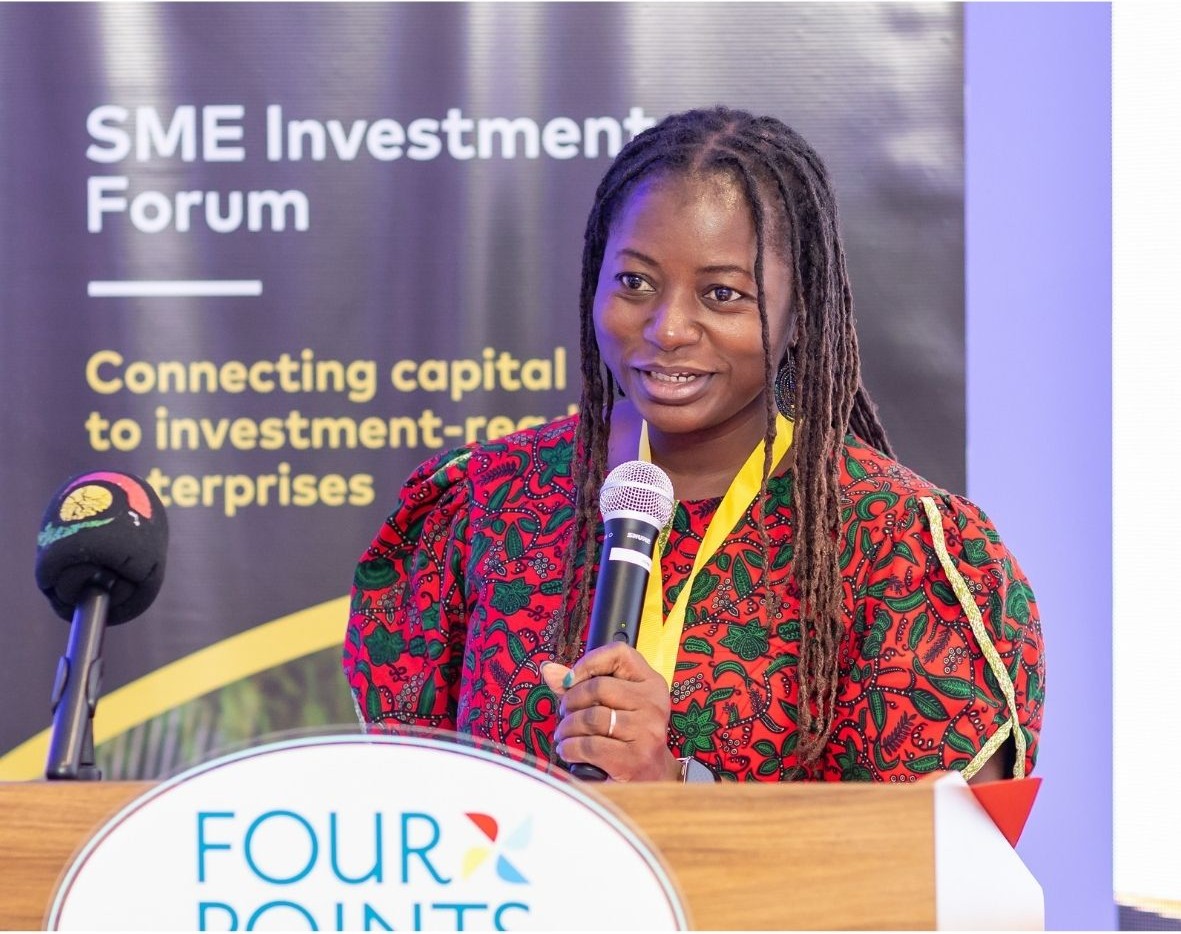
Investment opportunities exist, but young entrepreneurs need support to reach them.
One of the clearest things we heard at the forum: access to finance is not only about capital.
Investors need more than promising ideas. They need a clear business model, a compelling story, and evidence of market demand. For many young entrepreneurs, that's the gap.
This points to something important. Creating ecosystems that connect SMEs to funding is necessary but not sufficient. Young entrepreneurs also need mentorship, networks, and the business development support that helps ideas become investable.
That is core to what we do. Through our entrepreneurship pillar, we support young people to scale their ideas into viable agribusinesses by equipping them with the tools and resources required to scale.
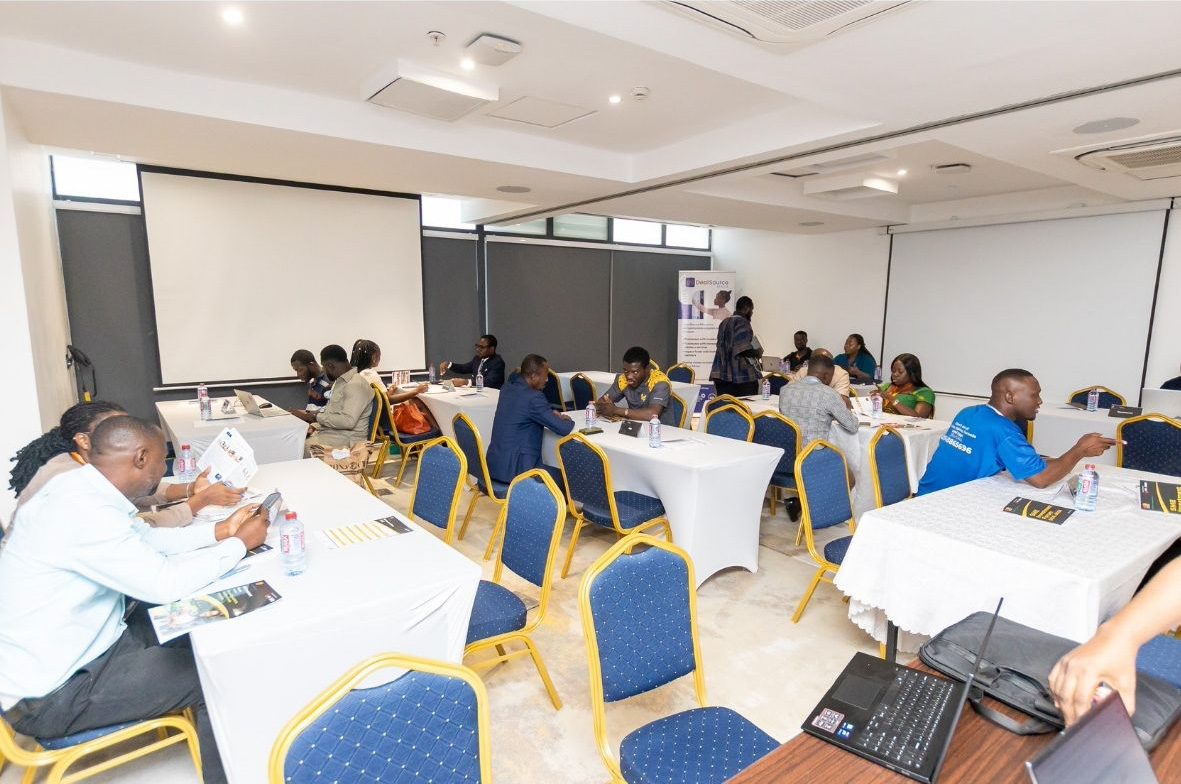
The room became a marketplace.
Most investment forums talk about closing the financing gap. This one tried to actually close it.
The forum gave investors and young entrepreneurs direct access to each other, not through a panel or a report, but face to face. Startups pitched. Entrepreneurs displayed their products. Investors asked real questions. For many of the young people in that room, it was the first time they had stood in front of someone who could actually write a cheque.
As Doloris Dickson, Executive Director, Densu Associates, noted, "We were to identify 40 SMEs across the nutrition and agrifood value chain, and create a platform where they can connect directly with investors"
That matters more than it might sound. One of the persistent frustrations in Ghana's agrifood ecosystem is that the conversations about investment and the conversations with investors rarely happen at the same time. The forum collapsed that distance, even briefly.
Among those who pitched were young entrepreneurs we know well, startups that came through Nkabom Collaborative at UG, or whose founders we have worked with at some point along the way. Watching them in that room, making their case to investors, was a different kind of validation. Not of the idea they already believed in, but of the pathway.
Looking ahead.
The forum confirmed what we already suspected: the challenges facing Ghana's agrifood sector are serious, and the opportunities are real.
For us, the forum was a reminder that transforming agrifood systems means more than financing businesses. It means building the partnerships and ecosystems that let good ideas grow.
We're committed to that work. And we're glad to be doing it alongside partners who are too.