
Synergy – The Catalyst for Community-Driven Innovation
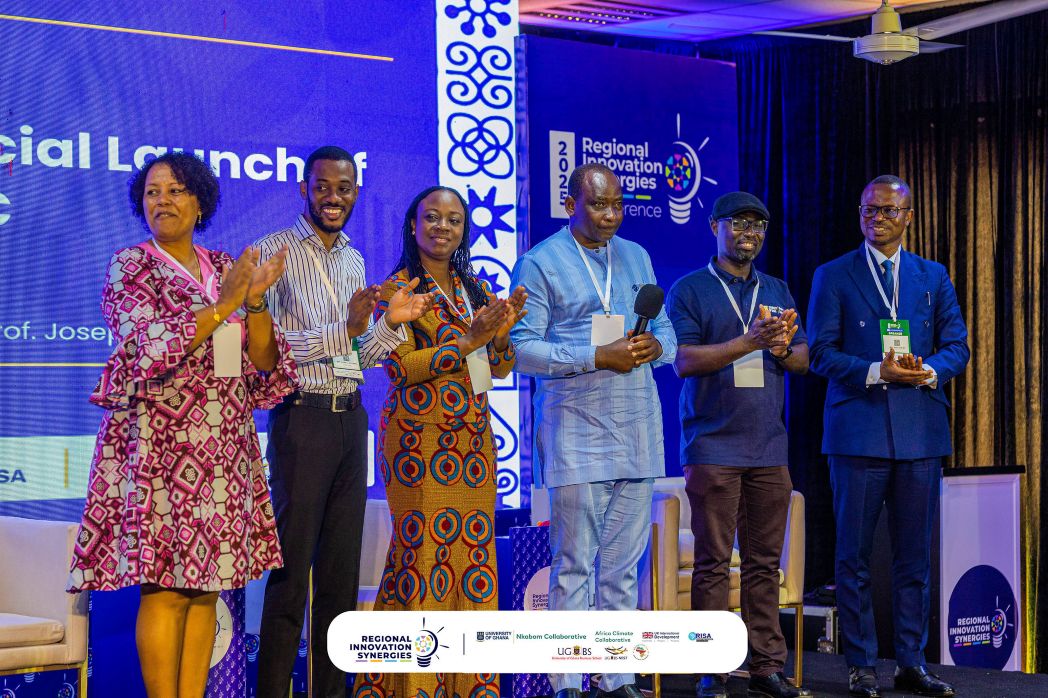
Delivering the keynote address at the maiden Regional Innovation Synergies Conference (RICS), at the University of Ghana, Prof. Opoku Mensah argued that moving beyond isolated academic projects was essential for development. “It is very commendable to have academics gathering not to discuss the usual academic subject matter, but to create synergies on important initiatives that are already impacting communities positively,” she underscored.
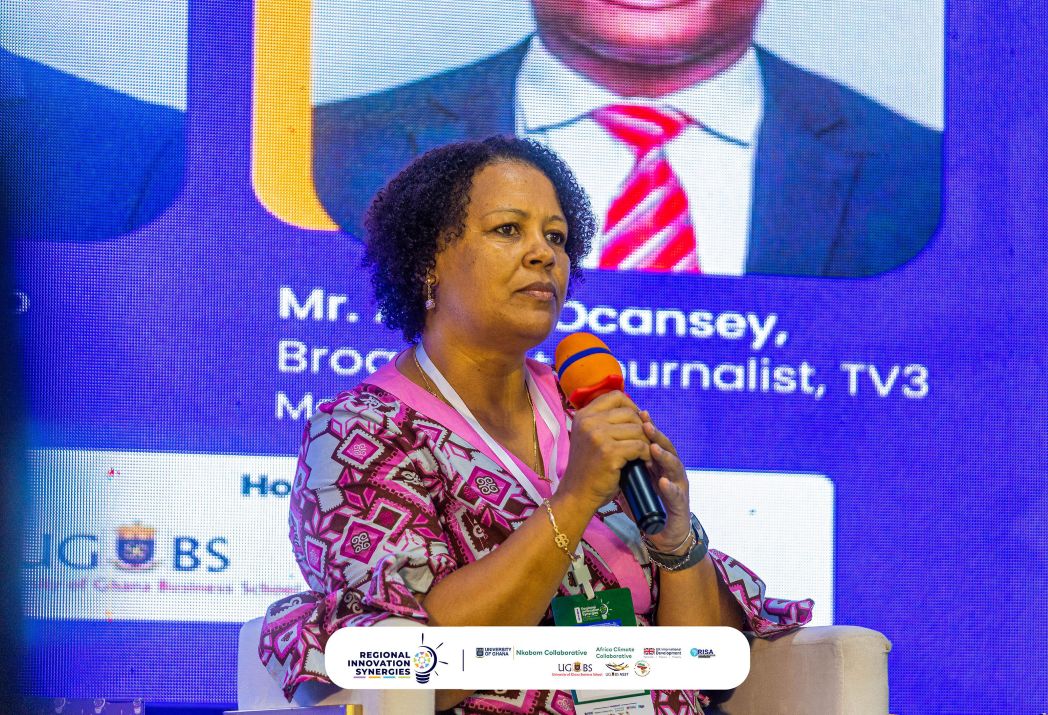
This focus on actionable synergy, she explained, was the cornerstone of the Ghana National Research Fund’s new strategic direction. “As Ghana joins the community of national research and innovation councils, impact-driven research will be our priority,” Prof. Opoku Mensah announced. “The communities we live in look up to our universities not only for education and training, but to make significant contributions to their livelihoods—whether through creating jobs, fostering entrepreneurship, or transferring useful technologies to grow local industries. That’s what they’re looking for, and that is what we must deliver.”
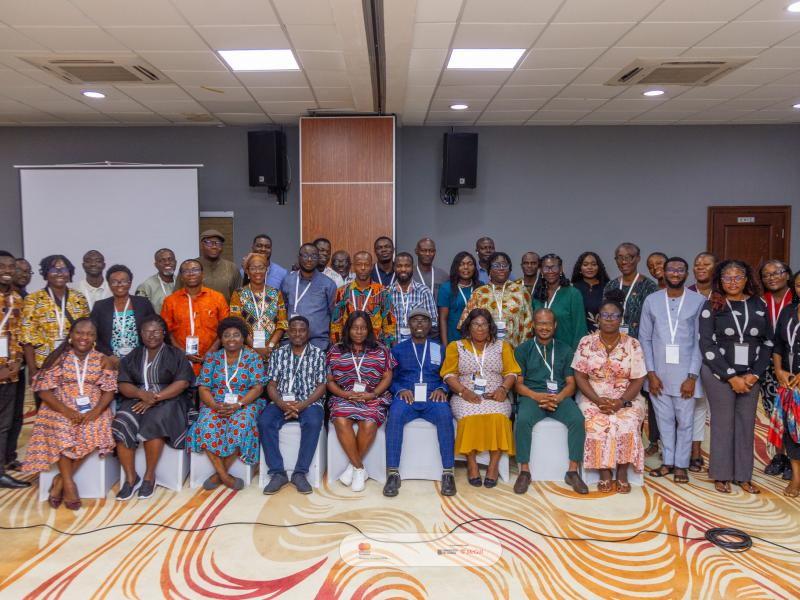
The conference, which was on the theme…, brought together participants including academics, policy makers, rural innovators, industry leaders, regulators, and young agri-preneurs from across Ghana and West Africa. It is anchored by three initiatives, - the UG Nkabom Collaborative, the Africa Climate Collaborative, and the Bridging the Research Innovation-Industry Assimilation Gap through Technology Capacity Building in Rural Ghana (RISA–BRIInG) Project - and supported by the AfriVenture Lab and the UGBS Innovation and Incubation Hub. It seeks to transform academic knowledge into collective action that impacts communities. Its purpose is to demonstrate and accelerate collaborative models that turn research and ideas into tangible social and economic impact, driven by youth ingenuity.
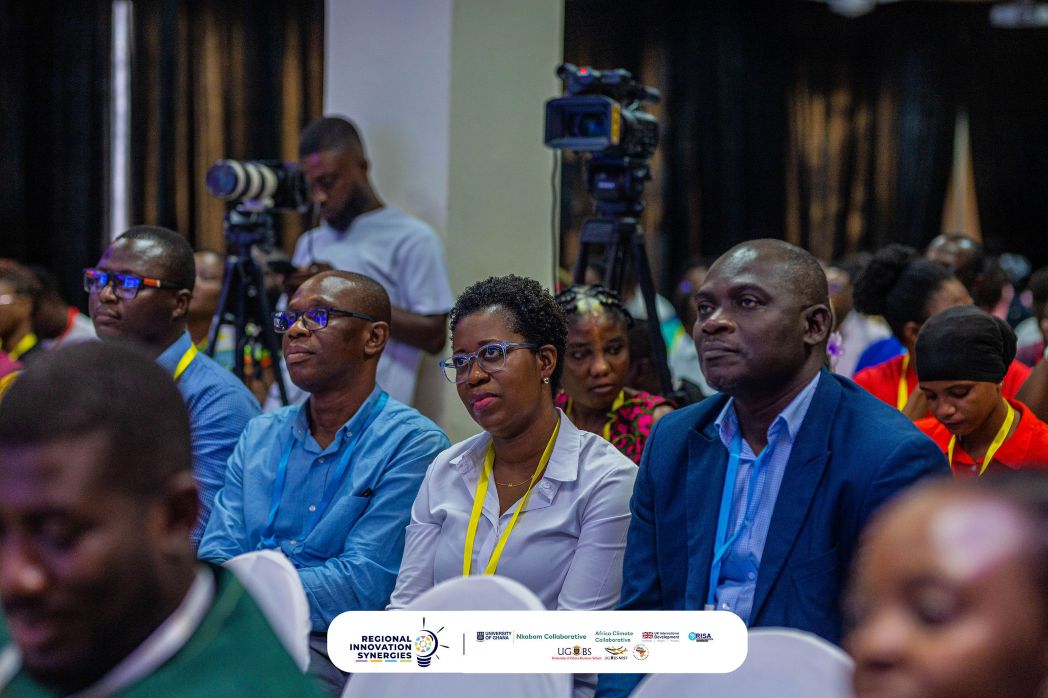
Speaking in a panel discussion, the Collaborative lead of UG Nkabom, Professor Richmond Aryeetey, pinpointed the core challenge. “What has been missing is not brilliance, but synergy,” he stated, illustrating his point with the paradox of local food gluts existing alongside malnutrition. He argued for intentionally linking the work of disparate departments—from agriculture and nutrition to engineering and business—that traditionally operate in isolation.
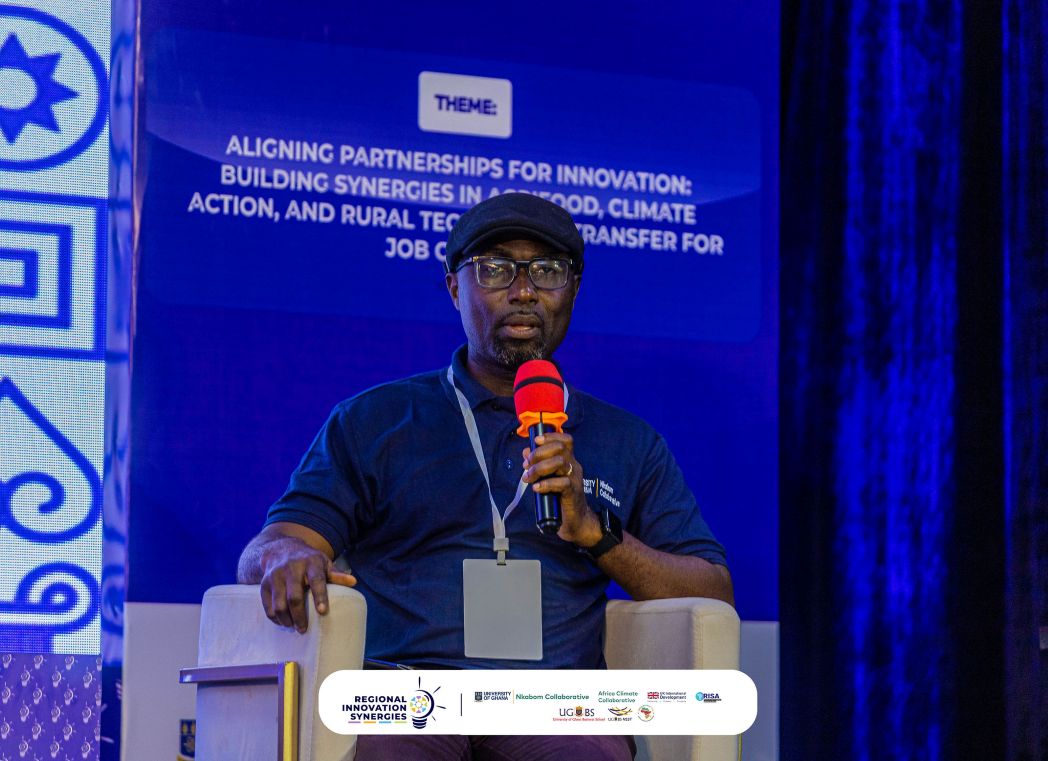
Echoing the need for systemic change, the country technical lead for the The ‘Research and Innovation Systems for Africa’ (RISA) Fund, Mr. Gameli Adzaho, identified weak coordination within the national innovation ecosystem as a fundamental bottleneck. “The coordination, as far as the innovation ecosystem in Ghana is concerned, has to be addressed,” he advised, calling for stronger governance and networks to connect stakeholders.
The panel also stressed that supporting youth innovators required more than just funding. Experts noted that young entrepreneurs needed integrated guidance to navigate business development, market access, and regulatory landscapes. Furthermore, Dr. Adelina Mensah of the Africa Climate Collaborative highlighted that true innovation must be inclusive, actively integrating rural communities, women, and marginalised groups into the design process. “Innovation is in everybody,” affirmed another panelist specialising in disability inclusion.
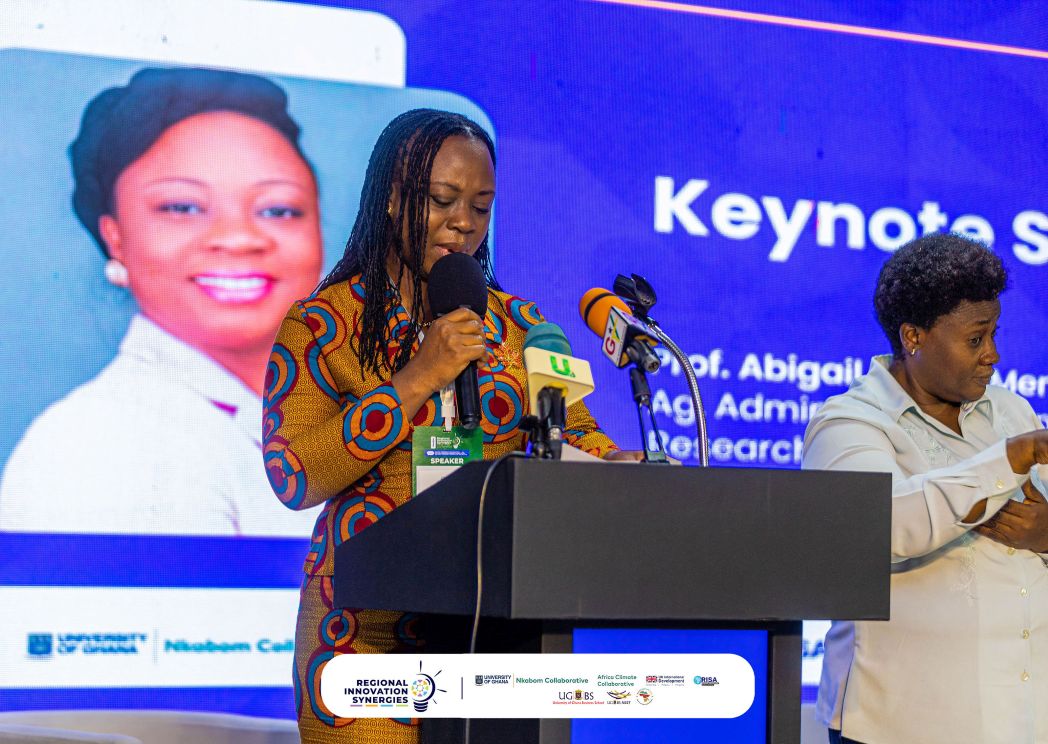
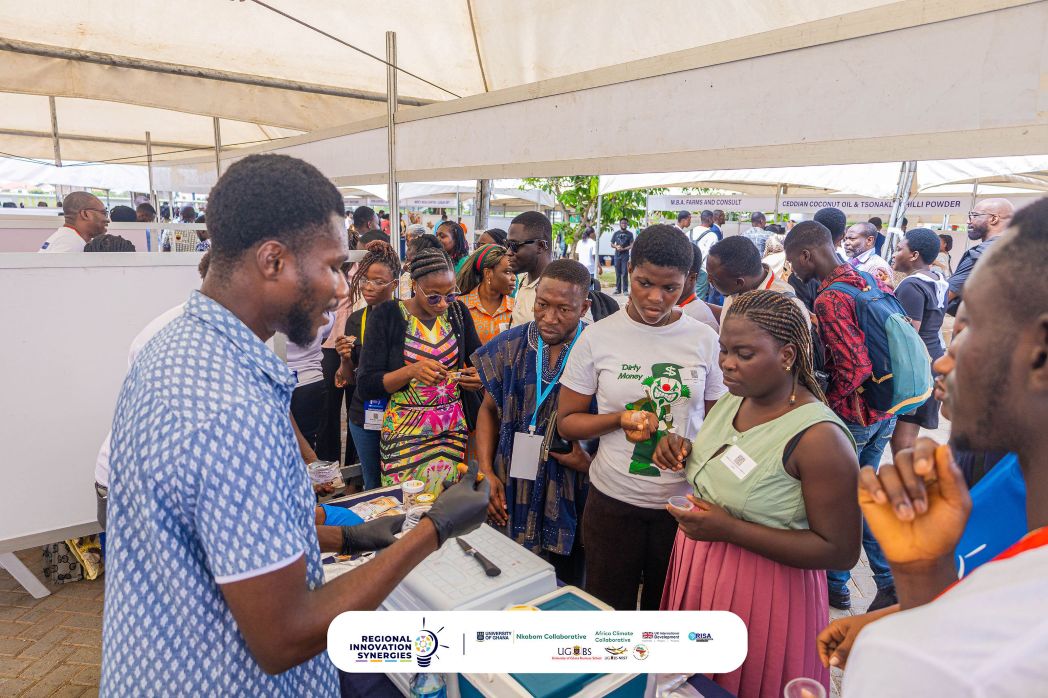
On the agenda of the two-day (2) convening were a series of discussion break-out and plenary sessions, an exhibition and a pitch competition.
The Regional Innovation Synergies (RIS) Conference is envisioned as an annual platform to strengthen collaboration across Ghana’s agri-food, climate action, research, and policy ecosystems.