
University of Ghana Nkabom Collaborative hosts a delegation from McGill University
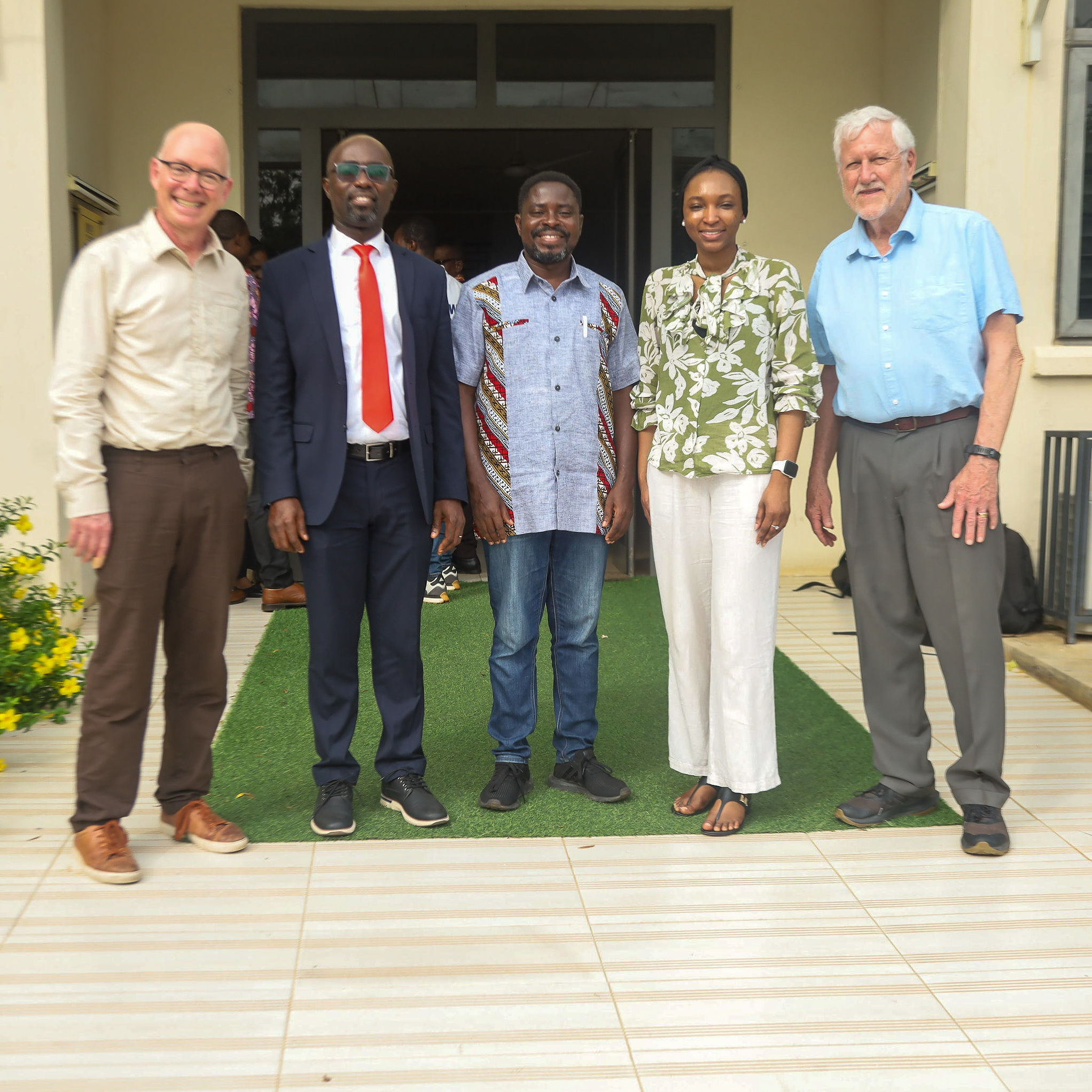
University of Ghana (UG) Nkabom Collaborative recently hosted a delegation from McGill University’s School of Population & Global Health, as part of ongoing efforts to strengthen partnerships and explore new areas of collaboration under the Nkabom Collaborative.
The visit provided an opportunity for both teams to engage in meaningful discussions on collaboration, identify areas of synergy, and align on priorities that can drive greater impact for young people across Ghana.
In his opening remarks, Prof. Richmond Aryeetey, Team Lead at UG Nkabom Collaborative, described the visit as an opportunity for partners to experience firsthand the impact of the work on the ground.
“This visit allows partners to better understand what each of us is doing and where we can build meaningful synergies,” he said. “We hope this will not be a one-off engagement, but the beginning of continued collaboration over time.”
Dr. Hayford Ayerakwa, Education Pillar Lead at UG Nkabom Collaborative, shared key updates on academic and training initiatives under the education pillar. He highlighted plans to introduce a PhD program in Sustainable Food Systems, modelled on the Food and Agriculture Organization’s Food Systems Framework, as well as ongoing efforts to equip young people with practical skills through short courses, seminars, and the honours program.
“We are nurturing problem-solvers, especially young people equipped to develop solutions that can scale into viable businesses while addressing critical challenges across the agrifood value chain,” he noted.
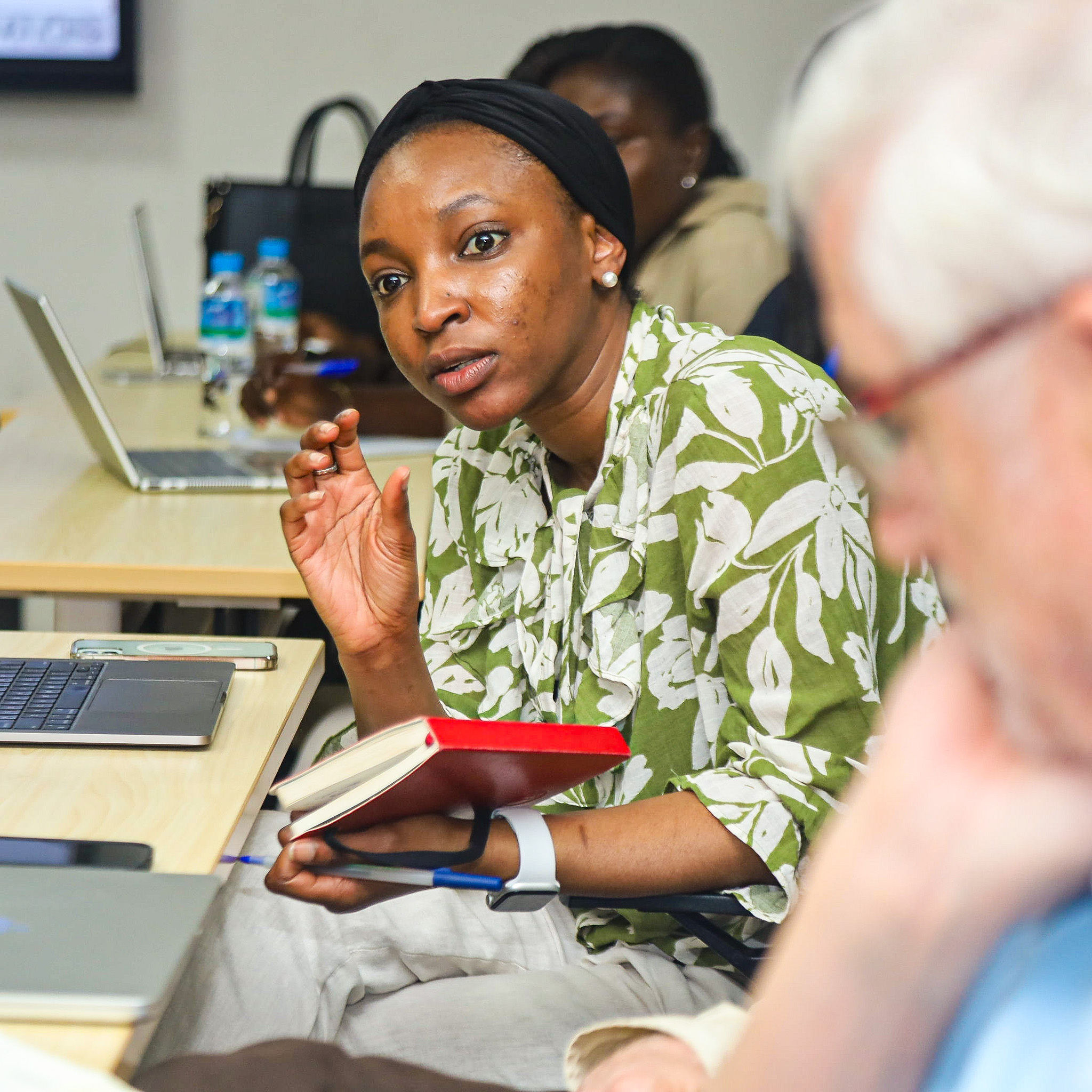
Representing McGill University, Dr. Aishat Abudu, Associate Professor at the Department of Global and Public Health, presented the school’s Summer Institutes —online courses open to young people everywhere, particularly within the Nkabom Collaborative. She also encouraged UG Nkabom Collaborative to integrate public health topics into short courses, as they can help health outcomes for non-communicable diseases.
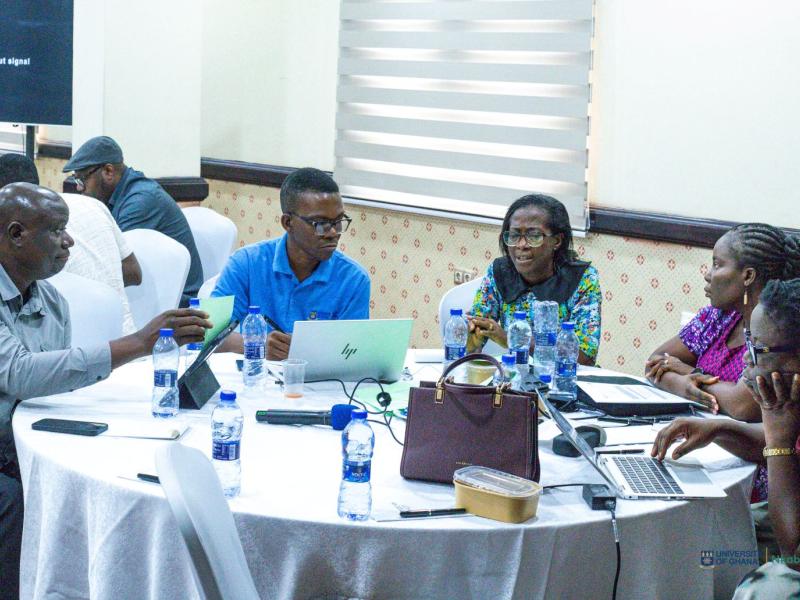
Discussions throughout the visit focused on potential areas of collaboration, including research partnerships, faculty and student exchanges, co-creation of short courses, and approaches to expanding access to education, markets and finance for youth-led enterprises.
The delegation was introduced to activities under the Access & Success and Entrepreneurship Pillars of UG Nkabom Collaborative, including its approach to skills development, inclusive participation, and support for youth—particularly those from underrepresented communities. Through interactive sessions, the team gained firsthand insight into how the UG Nkabom Collaborative is equipping young people with the mentorship, markets, and financing needed to launch careers and businesses in the agrifood sector.
UG Nkabom Collaborative looks forward to strengthening its partnership with McGill University and the Mastercard Foundation and translating these discussions into concrete actions that benefit young people across Ghana.