
Nkabom Collaborative at UG Workshop Sets Benchmarks for a World-Class PhD in Sustainable Food Systems
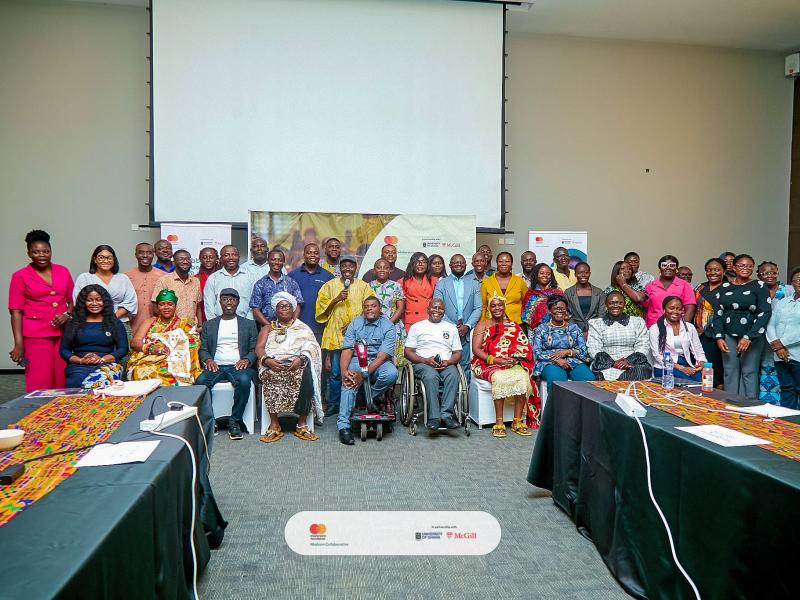
The event brought together faculty from agriculture, public health, education, biosciences, communication, business etc. , all of whom are to contribute to the delivery of the multidisciplinary doctoral programme.
Dr. Hayford Ayerakwa, Education Pillar Lead of the Nkabom Collaborative at UG, highlighted the programme’s interdisciplinary orientation, noting that the complexity of food systems demanded collaboration beyond traditional disciplinary boundaries. “Food systems challenges cannot be addressed from a single disciplinary lens,” he said. “This programme is intentionally designed to bring different perspectives together, because that is the only way we can train graduates capable of responding to real-world problems.” Dr. Ayerakwa explained that the workshop was designed as a participatory action space rather than a conventional academic meeting, allowing faculty to collectively reflect on existing doctoral practices and co-create benchmarks for excellence.
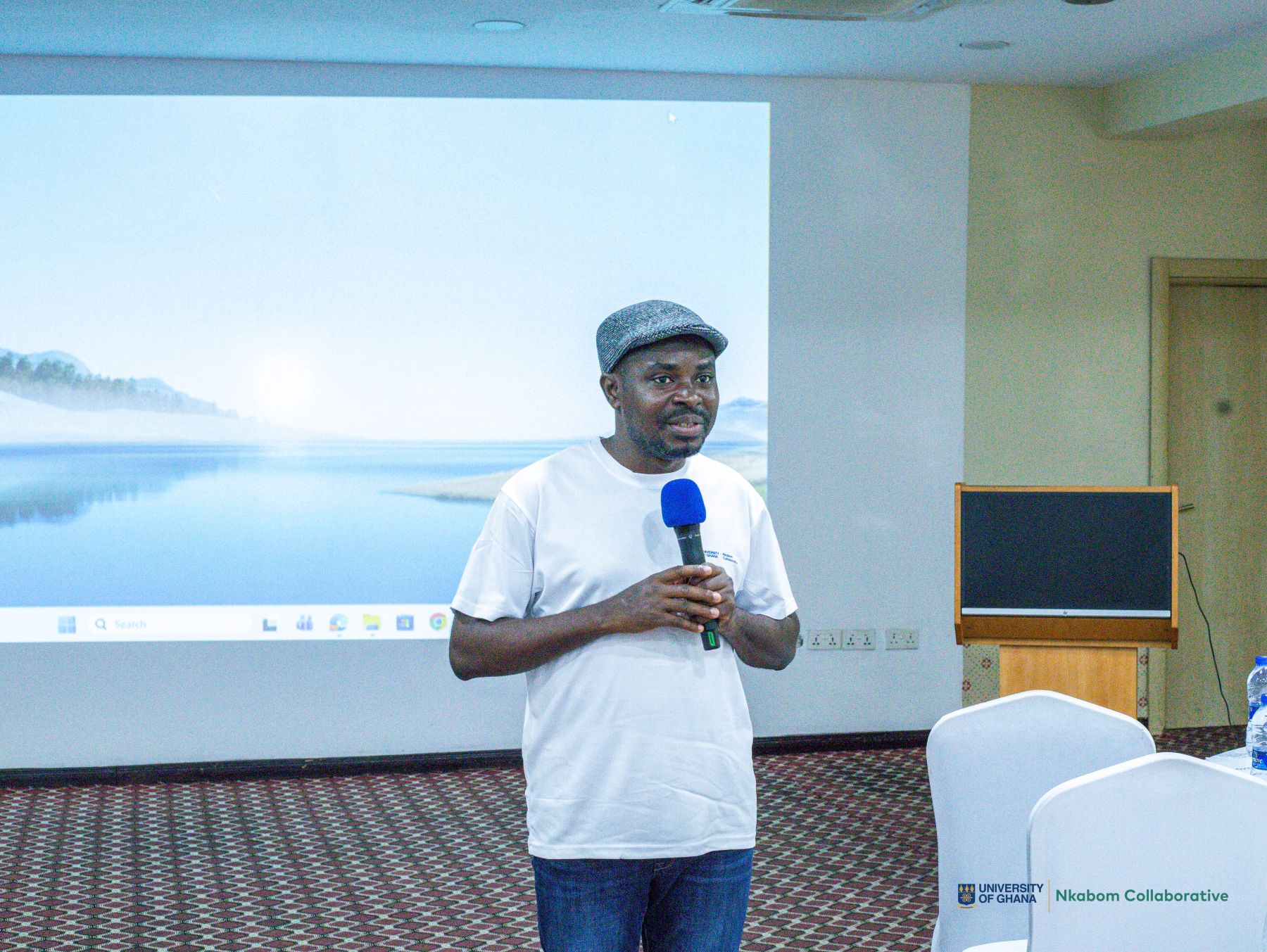
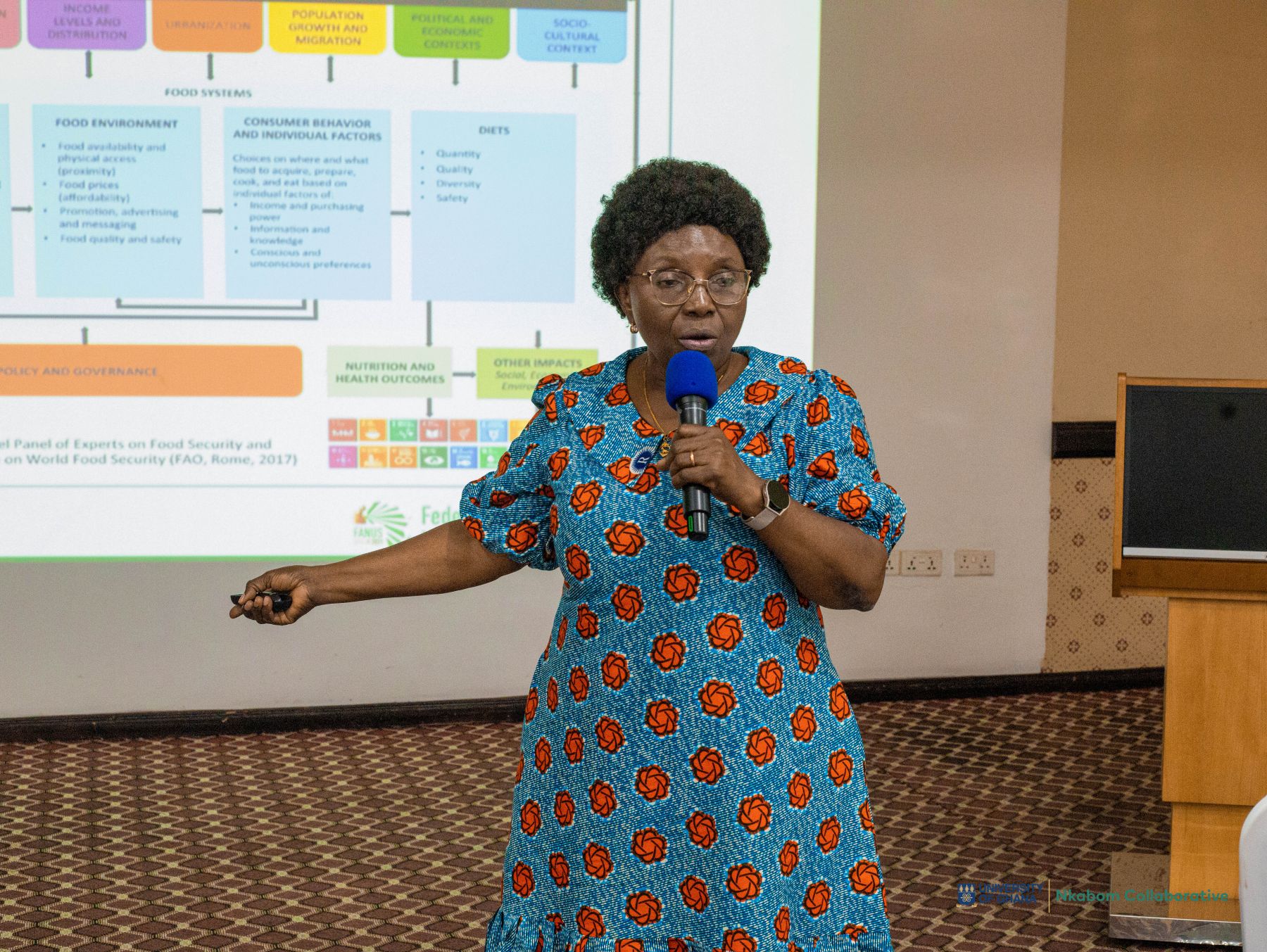
Building on this emphasis on interdisciplinarity, participants were introduced to the Nkabom Food Systems Framework through a presentation by the Food Systems Advisor for the Collaborative, Professor Anna Lartey. She highlighted the interconnected nature of food systems and the role of doctoral training in addressing challenges spanning production, nutrition, health, policy, and livelihoods. “Food systems are inherently complex, and no single discipline can provide all the answers,” Prof. Lartey said. “If we are training PhD graduates to respond to real-world food system challenges, then our teaching, research, and supervision must deliberately cut across sectors and disciplines.” She further stressed that the programme’s design was closely aligned with the broader vision of the Nkabom Collaborative, which seeks to strengthen sustainable food systems through integrated approaches to education, mentorship, and policy engagement.
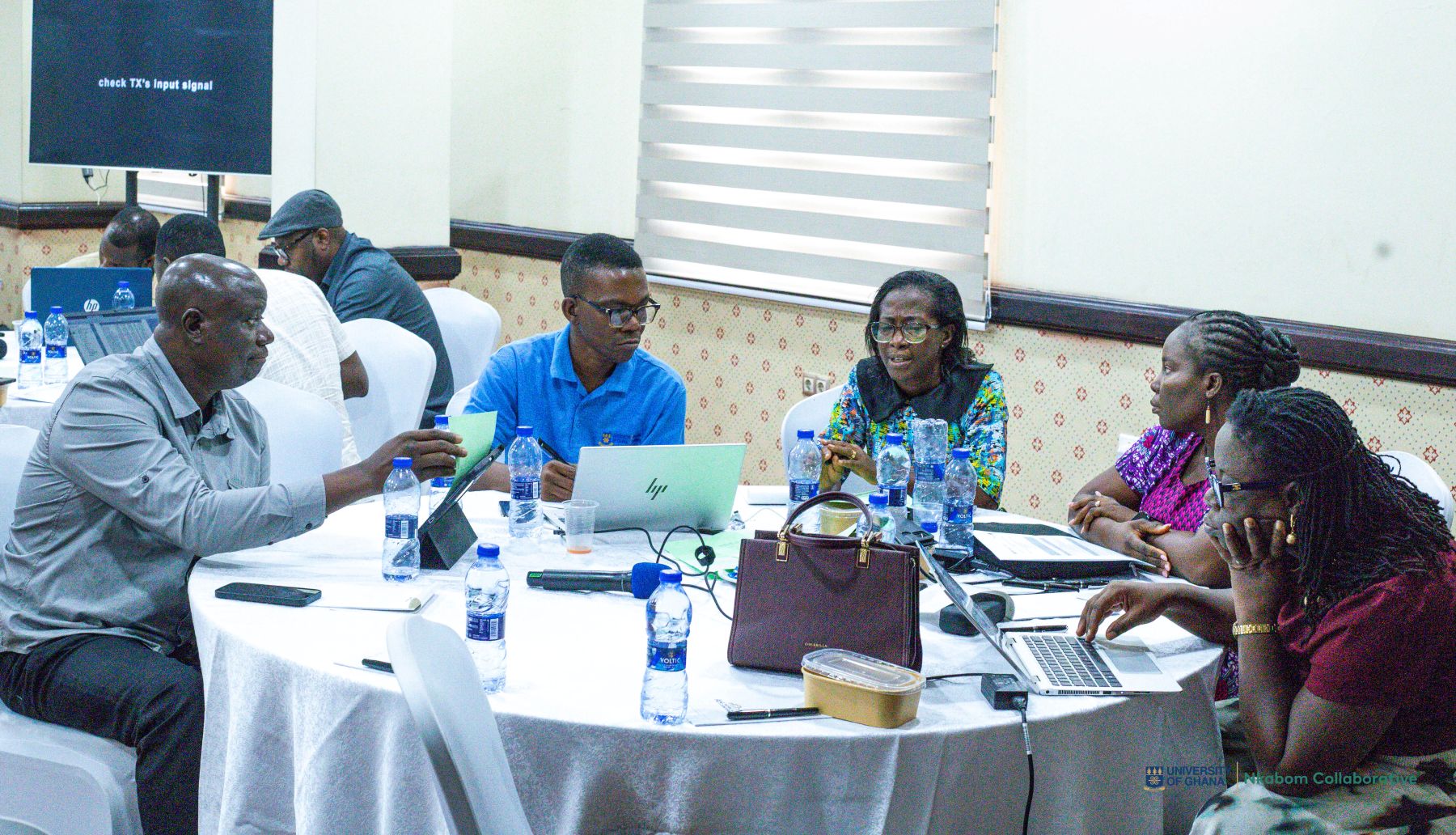
Following the plenary, participants moved into small-group benchmark-mapping sessions to examine current doctoral practices within the University and identify areas requiring transformation. Key outcomes included recognition of existing strengths, such as robust supervisory support in certain departments and opportunities for interdisciplinary research, alongside persistent challenges like inconsistent mentoring, gaps in research methodology training, and limited access to international research networks. “While we have pockets of excellence in supervision and interdisciplinary collaboration,” noted a participant during plenary. “Many of our PhD students struggle to access consistent guidance and the global research exposure they need.”
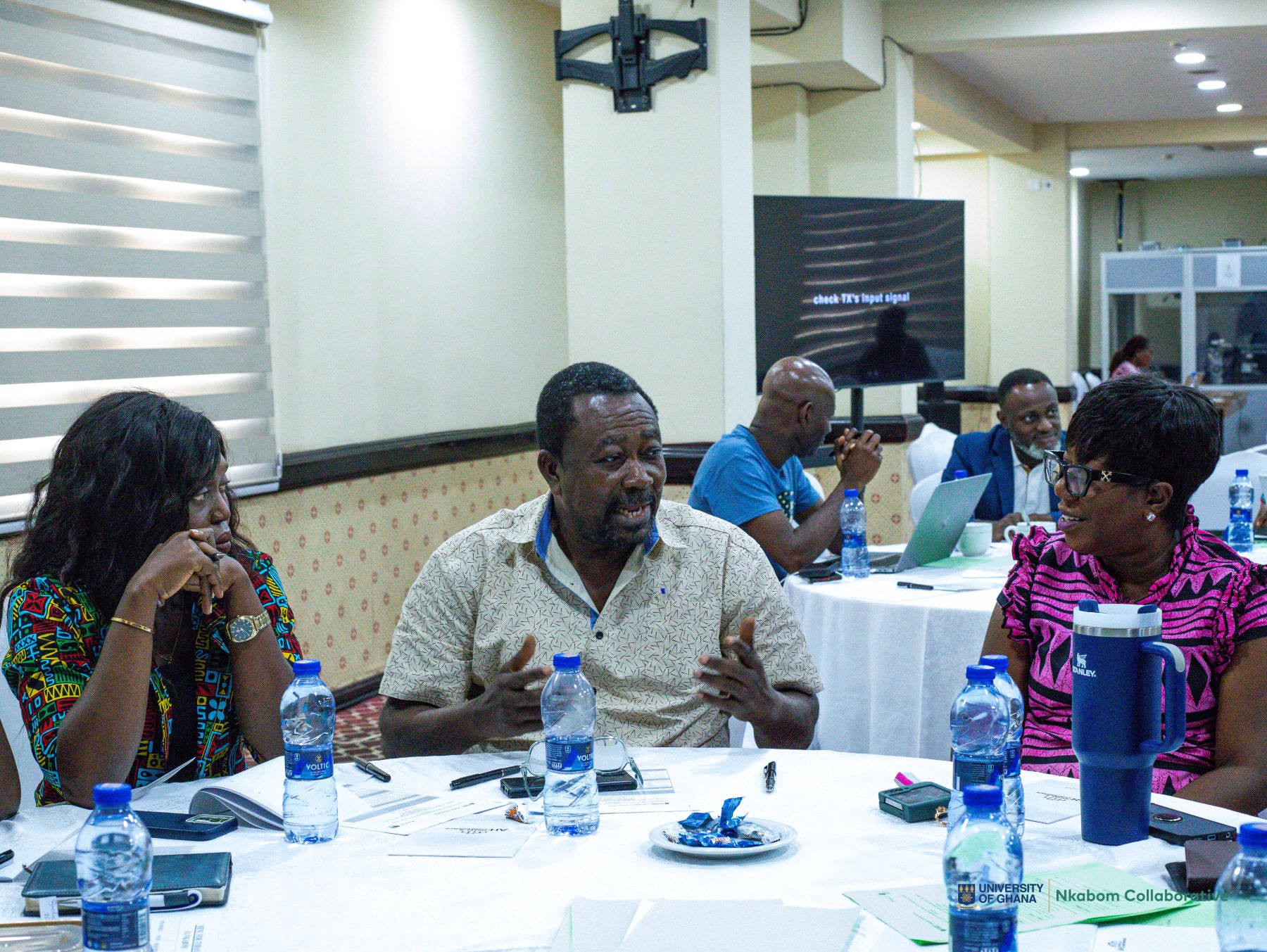
The discussions also highlighted structural and procedural barriers, including delayed feedback cycles, lack of standardised progress monitoring, and insufficient collaboration across departments. To address these, faculty proposed actionable measures, emphasising the need to enhance student support, strengthen supervision, expand funding opportunities, and cultivate a research culture that meets global standards.