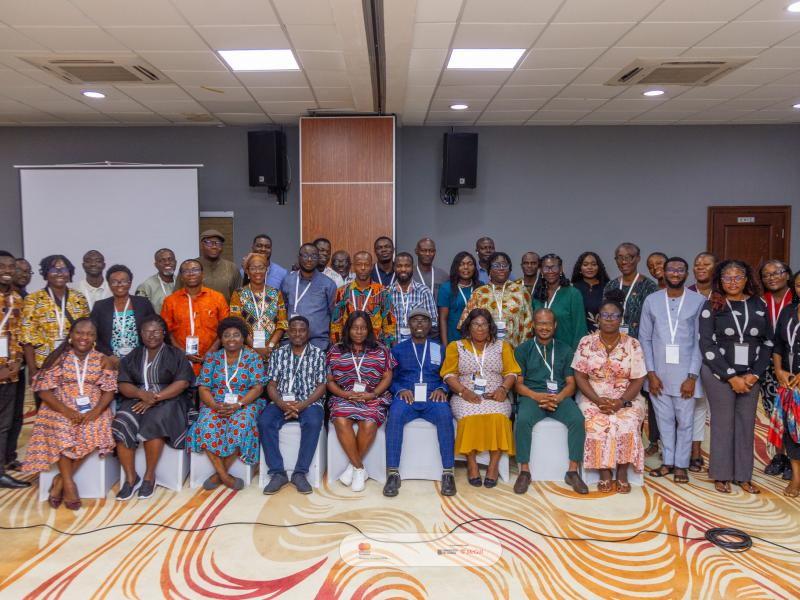

Meet Dr. Alfred Balernor Buernor: A Post Doctoral Fellow tackling high poultry feed costs with a breakthrough solution

In Ghana, chicken is an important source of animal protein for many households. But as the cost of locally produced chicken rises, it can become increasingly difficult for consumers to afford. Poultry feed accounts for more than 60% of the cost of raising birds. Its main ingredients, maize and soybean, are also in high demand for human food and other uses.
For farmers, expensive feed means higher production costs. And when production becomes more expensive, the price of locally produced chicken can rise too. The result is a difficult cycle: farmers struggle with rising costs, consumers pay more, and Ghana continues to rely heavily on imported poultry. To help address this, postdoctoral fellow Dr. Alfred Balenor Buernor, conducted research through the Nkabom Collaborative. He set out to explore which locally available ingredients could be used to develop a more affordable feed formulation without compromising the growth and health of chickens. “Feed is expensive.” That was one of the challenges he heard repeatedly from poultry farmers.
According to Ghana's Ministry of Food and Agriculture, the country consumes an estimated 400,000 metric tonnes of poultry meat annually, while local production accounts for less than 20% of consumption.
For Dr. Buernor, understanding why meant going beyond the market price and looking at what happens on the farm.
At the Nkabom Collaborative at the University of Ghana, Dr. Buernor was connected with a mentor and received a research fund to pursue his research as a postdoctoral fellow. After receiving the necessary clearance from his supervisor and the University of Ghana, he began testing a potential alternative to conventional poultry feed.
At the University’s Livestock and Poultry Research Centre, he first developed three different feed formulations. He then tested them on 300 birds, alongside a conventional maize-and-soybean-based feed used as the control.
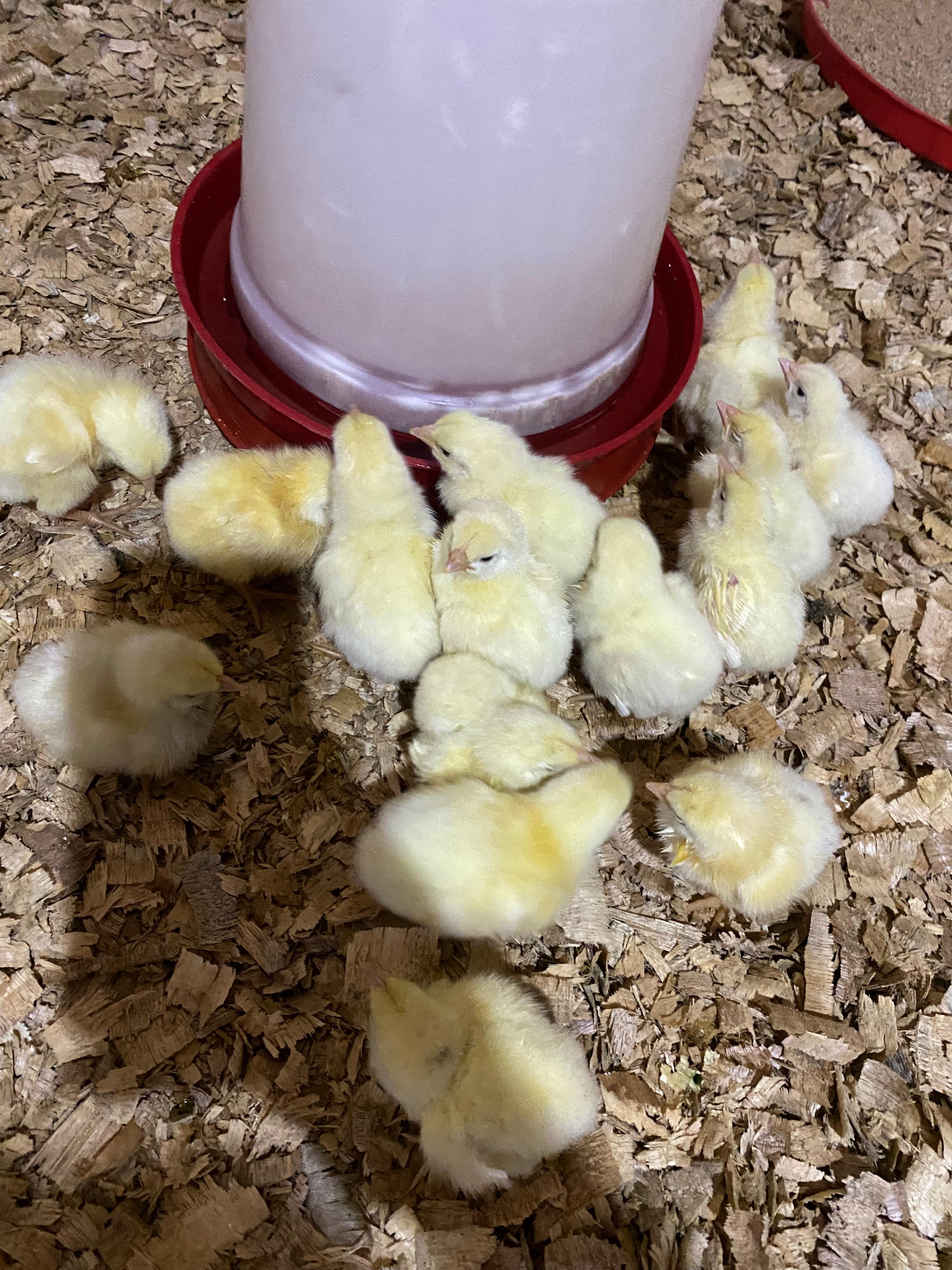
Over eight weeks, he monitored how the birds responded to the different diets, examining their feeding habits, growth rates, and health.
At the end of the trial, his findings showed that two of the formulations performed comparably to conventional feed, while the third, a mixture of azolla and locally available ingredients, performed even better. The results suggested that his solution could offer a promising alternative to more expensive conventional feed.
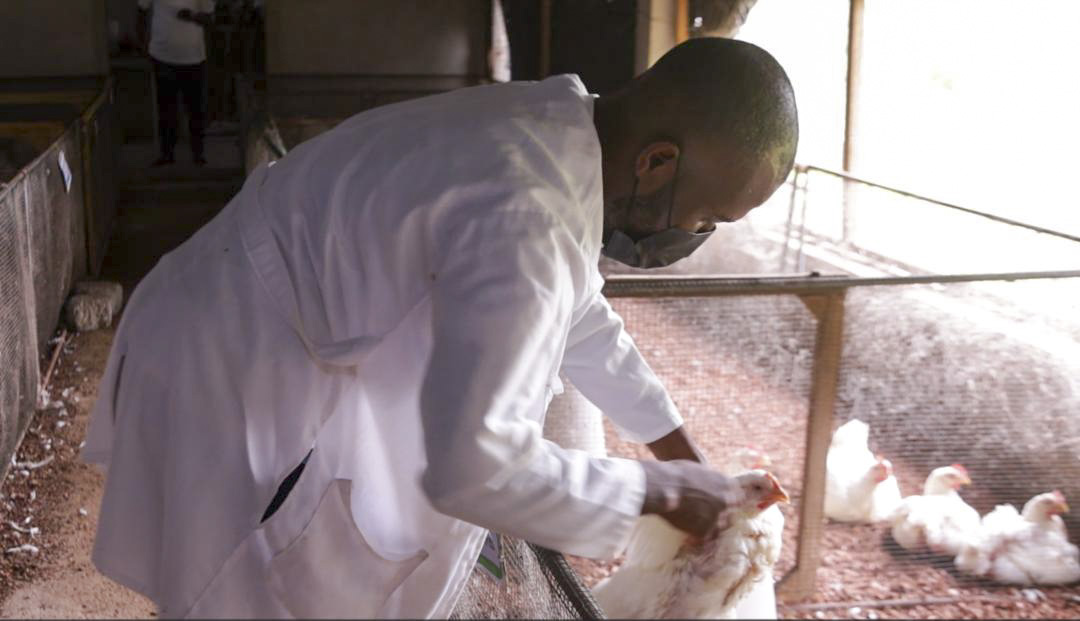
“If imported or expensive ingredients are making poultry feed unaffordable, then we need to ask what we already have locally, and how we can use it differently,”. Dr Buernor said. For local poultry farmers, a more affordable feed could help reduce one of the highest costs of production. That could make their businesses more viable and strengthen the competitiveness of locally produced poultry.
Looking Ahead
But Dr. Buernor's research is still moving from discovery to application. He is now working with the entrepreneurship pillar to explore how to protect the intellectual property behind the innovation and identify pathways for commercialising the solution. His progress highlights the immense potential unlocked when young researchers receive dedicated support to address agrifood challenges. Beyond offering a viable professional path, such targeted academic efforts possess the power to elevate community wellbeing and enhance nutritional outcomes across the nation.